Common Incoterms mistakes in material shipments
Most avoidable Incoterms disputes begin with an unclear handover, an incomplete cost comparison or missing product terms. For polymers and bulk materials, document the delivery event, packaging and mass, included services and quality evidence together. Keep risk, invoice cost and ownership as separate questions even when one team manages all three.
Review one shipment file end to end
Choose a representative purchase order and follow it through dispatch, carrier acceptance, import and receipt. Compare the location on each document with the named delivery point. Reconcile net material mass, package count and gross cargo mass. Record any unexplained difference as an item to resolve before the next order.
Use a small exception log
For each mismatch, record the document, disputed fact and person or team responsible for checking it; keep those internal operational details outside public reference guides. Typical commercial questions include whether a handling charge was included, whether an insurance certificate identifies the shipment and whether a quality result refers to the correct batch.
Comparison at a glance
| Mistake | Better record |
|---|---|
| “Delivered Europe” | Exact named receiving point |
| “Freight included” | Itemised service boundary |
| “Standard resin” | Grade and acceptance specification |
| “Insured” | Policy evidence and exclusions |
Worked example
Fictional receipt: 40 bags × 25 kg = 1,000 kg product. Bag tare is 40 × 0.15 = 6 kg, and pallet tare is 25 kg, so gross cargo is 1,031 kg. An invoice based on product tonnes and a carrier booking based on gross tonnes can both be correct. The 31 kg difference should be explained, not silently removed.
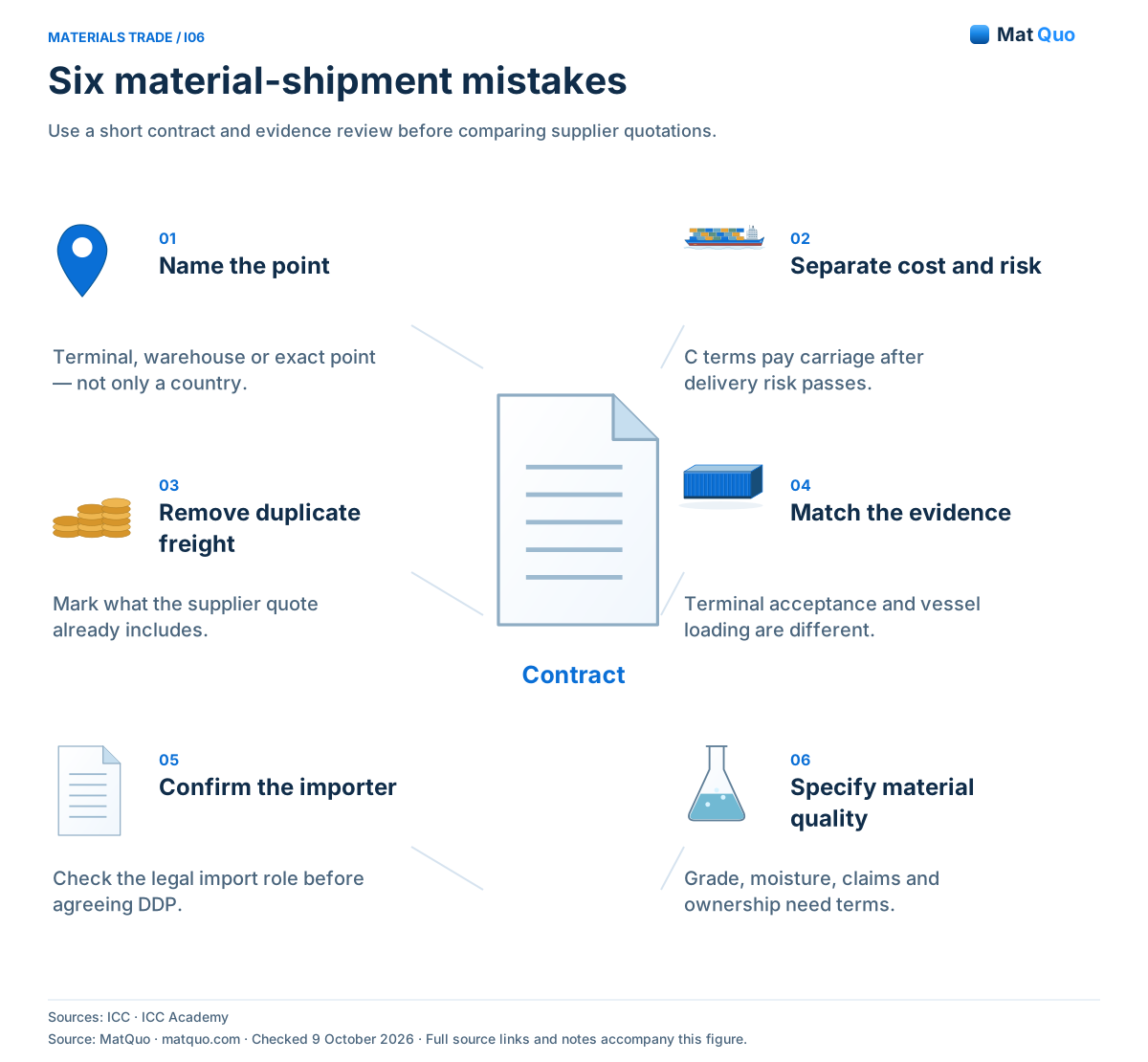
Six material-shipment mistakes
Use a short contract and evidence review before comparing supplier quotations.
Detailed poster: scroll horizontally on a small screen, or open the full-size figure. The readable text equivalent is below.
ICC • Incoterms 2020 · ICC • 2024 checklist · ICC Academy • Scope of the rules · Checked
Text equivalent and notes
- 01 • Vague destination
- Name the terminal, warehouse. or point, not just the country.
- 02 • Cost mistaken for risk
- C terms pay carriage onward. after delivery risk has passed.
- 03 • Duplicate freight
- Mark what each quote includes. before adding landed costs.
- 04 • Wrong delivery evidence
- Terminal acceptance and vessel. loading are different events.
- 05 • Unchecked import role
- Confirm who can legally act as. importer before agreeing DDP.
- 06 • Missing quality terms
- Grade, moisture, claims and. ownership need separate terms.
Embed with credit
Common mistakes
- Using the delivery term as a substitute for a material specification.
- Treating a difference between gross and net mass as an automatic shortage.
- Resolving a missing cost line by adding a guessed allowance.
Questions and answers
What is the fastest useful order review?
Check the rule and edition, exact delivery point, material specification, quantity basis and list of included services. Then verify which record will prove handover. These checks make a useful first pass because they connect the contract to dispatch, transport, invoicing and receipt without pretending to replace a complete contract review.
Does an Incoterm define when ownership changes?
No. Ownership and payment require their own contractual treatment. Delivery risk and title can therefore be different questions in the same shipment. Keep the relevant clauses and documents distinct so that an argument about who paid freight does not become an unsupported conclusion about who owns the goods at that moment.
What should happen when a charge cannot be verified?
Leave the disputed amount unresolved and label the comparison incomplete. Ask for the underlying quotation, invoice or contract inclusion before updating the total. A visible missing item is more useful than a guessed figure because it shows exactly what evidence the buyer needs before relying on the commercial comparison.
Sources and review scope
- ICC • 2024 checklist — Choice of delivery point; FCA for container terminals. No source artwork reproduced.
- ICC Academy • Scope of the rules — Ownership and payment are separate contractual questions.
- ICC • Incoterms 2020 — Current edition; 11 rules; CIF/CIP insurance distinction.
- European Commission • Customs valuation — Transaction value and valuation additions/exclusions.